
- Продукция
-
Наша история
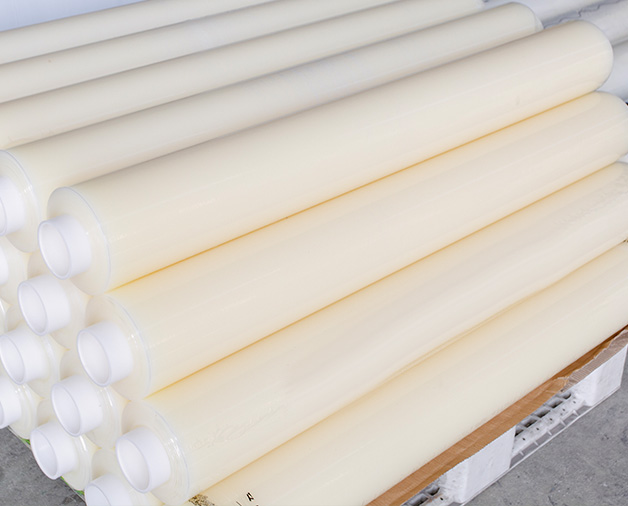
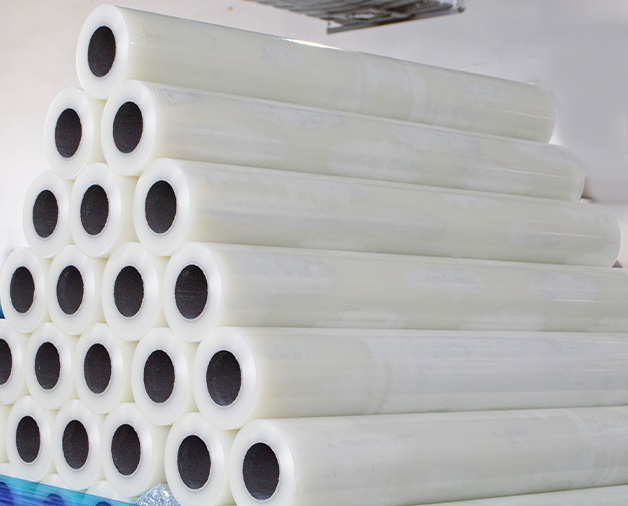
Почему стоит выбрать нас?Мы являемся национальным высокотехнологичным предприятием и провинциальным «специализированным и усовершенствованным» малым и средним предприятием, специализирующимся на НИОКР, производстве и продаже защитной полиэтиленовой пленки. Являясь лидером в отрасли, мы стремимся обслуживать клиентов по всему миру с помощью инновационных технологий и завоевали широкое признание на рынке.
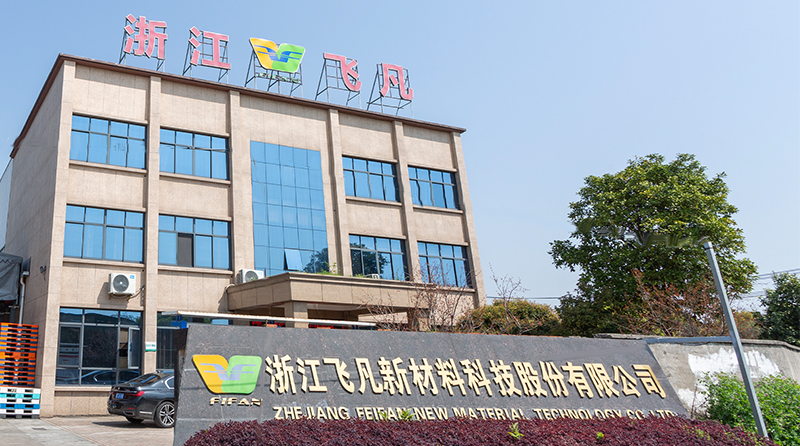 Приезжаем из Китая, занимаемся маркетингом по всему миру.
 -
Новости
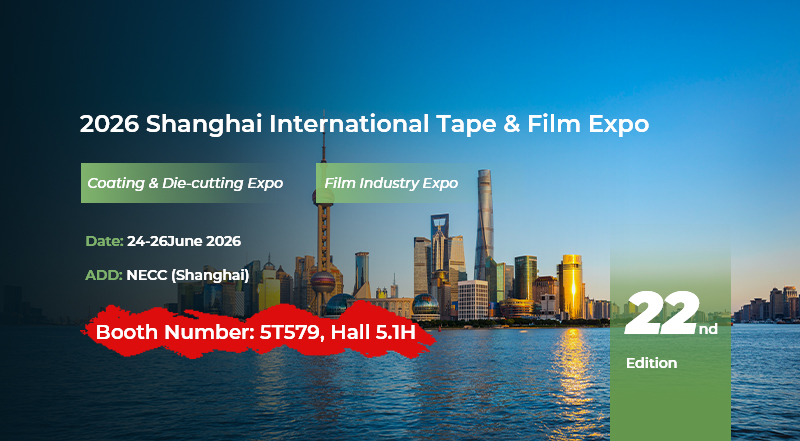 Фейфана пригласили принять участие в Шанхайской международной выставке кассет и фильмов 2026 года.
Уважаемый уважаемый клиент/партнер, Мы рады сообщить, что наша компания примет участие в выставке АПФЭ 2026 – 22-я Шанхайская международна...
 English
 русский
 عربى
عربىНовости отрасли
A Guide to Avoiding Pitfalls When Purchasing PE Protective Film
Контент
- 1 Introduction – What is PE Protective Film?
- 1.1 1. Definition & Core Positioning
- 1.2 2. The "Three-Layer" Functional Architecture
- 1.3 3. Why PE? – Material Selection Rationale
- 1.4 4. The Adhesive System – The "Soul" of the Film
- 1.5 5. Critical Performance Indicators (Key Technical Parameters)
- 1.6 6. Classification by Adhesion Level (Practical Grading)
- 1.7 7. Beyond Protection – Value-Added Functionalities
- 1.8 8. The "Zero-Residue" Promise – A Technical Challenge
- 2 Core Technical Analysis – For Professional Readers
- 2.1 1. PE Substrate – Beyond the Basic Polymer
- 2.2 2. Additive Masterbatch Engineering – The Invisible Enhancement
- 2.3 3. Adhesive Crosslinking Chemistry – The Residue Decider
- 2.4 4. Release Coating Engineering – The Backside Performance
- 2.5 5. Surface Energy Matching – The Scientific Selection Rule
- 2.6 6. Viscoelastic Behavior – Understanding Peel vs. Shear
- 3 Application Landscape – Industry-Specific Solutions
- 3.1 1. Electronics & Consumer Devices – The Precision Protection Arena
- 3.2 2. Photovoltaic (Solar Energy) – The Outdoor Durability Challenge
- 3.3 3. Building & Construction Materials – The High-Volume Segment
- 3.4 4. Automotive Manufacturing – From Press Shop to Final Assembly
- 3.5 5. Optical & Display Components – The Purity-Critical Zone
- 3.6 6. Medical & Healthcare – Biocompatibility Considerations
- 4 Selection Guide & Industry Misconceptions
- 4.1 1. The Science-Based Selection Framework
- 4.2 2. Critical Selection Parameters – Deep Dive
- 4.3 3. Common Industry Misconceptions – Debunked
- 4.3.1 3.1 "Higher tack means better protection – it won't fall off."
- 4.3.2 3.2 "A PE film is just a PE film – all suppliers are the same."
- 4.3.3 3.3 "If I can peel it off with my fingernail without residue, it's a good film."
- 4.3.4 3.4 "A thicker film always provides better protection."
- 4.3.5 3.5 "If the film leaves no visible residue, it's residue-free."
- 4.4 4. Practical Selection Checklist (For Procurement & Engineering Teams)
- 5 Conclusion – The Strategic Value of Precision Surface Protection
Introduction – What is PE Protective Film?
1. Definition & Core Positioning
PE Protective Film, short for Polyethylene Protective Film, is a temporary surface protection material manufactured by coating a pressure-sensitive adhesive (PSA) onto a base substrate made of Low-Density Polyethylene (LDPE) or Linear Low-Density Polyethylene (LLDPE), followed by slitting and rewinding.
Its fundamental purpose is not reinforcement or aesthetic enhancement, but rather "isolation and sacrifice." During manufacturing, logistics, and installation, the film absorbs scratches, contamination, and minor abrasions, ensuring that the protected surface reaches the end-user in pristine, factory-original condition.
2. The "Three-Layer" Functional Architecture
A standard PE protective film consists of three distinct functional layers, each playing a critical role:
- Release Liner (Optional): A silicone-coated PET or PE film that protects the adhesive layer before application. Removed during the lamination process.
- Adhesive Layer (PSA): The functional core that determines adhesion performance. Common chemistries include acrylic solvent-based, water-based acrylic, and hot-melt rubber-based systems.
- PE Backing (Substrate): Provides mechanical strength, flexibility, and optical clarity. Often modified with additives for UV resistance, anti-static properties, or matte finishing.
3. Why PE? – Material Selection Rationale
Compared to other polymer films (e.g., PET, PVC, PP), PE offers a unique balance of properties that make it the industry benchmark for surface protection:
| Property | PE (LDPE/LLDPE) | PET | PVC |
|---|---|---|---|
| Flexibility / Conformability | Excellent – adapts to curved and textured surfaces | Poor – rigid, prone to lifting on edges | Moderate – plasticizer-dependent |
| Tensile Modulus (MPa) | 200 – 400 (soft, impact-absorbing) | 2800 – 4000 (stiff, prone to tearing) | 2500 – 3500 |
| Elongation at Break (%) | 250 – 600 (high stretch before failure) | 50 – 150 (brittle break) | 100 – 300 |
| Optical Clarity (Haze %) | 5 – 15% (with anti-block additives) | < 2% (crystal clear) | 3 – 10% |
| Chemical Resistance | Excellent against acids, alkalis, and alcohols | Excellent, but sensitive to strong solvents | Poor – plasticizer migration & discoloration |
| Recyclability & Environmental Impact | Fully recyclable (Class 4), halogen-free | Recyclable but energy-intensive | Chlorine content – problematic for incineration |
| Cost Index (Relative) | 1.0 (Baseline – most economical) | 1.8 – 2.2 | 1.2 – 1.5 |
4. The Adhesive System – The "Soul" of the Film
While the PE backing provides physical protection, the adhesive determines whether the film succeeds or fails. Three major adhesive families dominate the industry:
4.1 Solvent-Based Acrylic PSA
- Characteristics: High initial tack, excellent shear resistance, superior aging stability.
- Typical Peel Strength Range: 2 – 15 N/25mm (depending on crosslinker dosage).
- Application: High-end electronics, automotive painted surfaces, long-term outdoor exposure.
4.2 Water-Based Acrylic PSA
- Characteristics: Low VOC, environmentally friendly, good clarity, moderate temperature resistance (up to 80°C).
- Typical Peel Strength Range: 1 – 8 N/25mm.
- Application: Interior decorative panels, furniture, short-term indoor protection.
4.3 Hot-Melt Rubber-Based PSA
- Characteristics: High initial grab, aggressive tack, low cost, but susceptible to UV degradation and oxidative embrittlement.
- Typical Peel Strength Range: 3 – 20 N/25mm.
- Application: Rough surfaces, corrugated cardboard, heavy-duty temporary masking.
5. Critical Performance Indicators (Key Technical Parameters)
In professional specifications, the following parameters are used to qualify a PE protective film for a given application:
| Parameter | Typical Range / Unit | Industry Test Standard | Practical Significance |
|---|---|---|---|
| Peel Adhesion (180°) | 1 – 20 N/25mm | ASTM D3330 / FINAT FTM-1 | Determines whether the film stays attached during processing; must be matched to surface energy. |
| Holding Power (Shear) | > 24 hours @ 2kg (at 23°C) | ASTM D3654 / PSTC-7 | Resistance to creeping and edge-lifting under load. |
| Unwind Force | 0.5 – 3.0 N/25mm | Internal roller friction test | Ease of application – affects lamination speed and operator fatigue. |
| Heat Resistance (Temperature Rating) | 60°C – 120°C (short-term peak) | Oven aging + peel retention test | Survival during baking cycles (e.g., automotive paint oven or powder coating). |
| UV Aging (Yellowing Index Δb) | < 2.0 after 72h QUV (UVA-340) | ASTM G154 / ISO 4892 | Prevents optical degradation of transparent substrates (glass/acrylic). |
| Surface Resistivity (Anti-static grade) | 10⁶ – 10¹¹ Ω/sq | ASTM D257 / ANSI/ESD STM11.11 | Prevents electrostatic discharge (ESD) damage to sensitive electronics. |
| Residual Adhesive (Residue Test) | Pass / Fail (visual inspection after peel) | Internal – peel after 7d @ 60°C | Critical: no "ghosting" or adhesive transfer – the hallmark of a premium product. |
6. Classification by Adhesion Level (Practical Grading)
Industry practice categorizes PE protective films by their peel strength against standard stainless steel (or glass) to guide material selection:
- Ultra-Low Tack (0.5 – 1.5 N/25mm): For high-gloss, fragile coatings (e.g., piano black plastics, mirror-finish PC panels). Purpose: ensures peel-off even after prolonged lamination.
- Low Tack (1.5 – 4.0 N/25mm): For smooth metal sheets (stainless steel, aluminum), acrylic sheets, and general indoor decoration.
- Medium Tack (4.0 – 8.0 N/25mm): For powder-coated metals, embossed surfaces, and outdoor signage where wind and light rain are factors.
- High Tack (8.0 – 15.0 N/25mm): For rough, textured substrates (wood-grain laminates, cement boards) or applications requiring deep-draw forming.
- Extra-High Tack (> 15.0 N/25mm): Heavy-duty industrial masking – usually paired with rubber-based adhesives for aggressive grip.
7. Beyond Protection – Value-Added Functionalities
Modern PE protective films are no longer "one-size-fits-all." Advanced variants incorporate specialized additives to solve niche challenges:
- Anti-Static (ESD-Safe): Surface resistivity controlled below 10¹¹ Ω/sq – essential for cleanroom environments in semiconductor and display manufacturing.
- UV-Blocking / Anti-Yellowing: Built-in Hindered Amine Light Stabilizers (HALS) to protect both the film itself and the substrate from solar degradation – widely used in photovoltaic module protection.
- High-Transparency (Optical Grade): Haze < 3%, clarity > 95% – used as a temporary carrier film for optical lenses and touchscreen sensors during lamination.
- Printable / Color-Indicating: Colored films (blue, yellow, red) for brand identification, or "time-changed" variants that darken with UV exposure to signal remaining protective life.
8. The "Zero-Residue" Promise – A Technical Challenge
The single most demanding expectation for any PE protective film is "clean removal – no residue, no ghosting, no haze." Achieving this requires precise formulation of the adhesive's crosslinking density:
- Under-crosslinked: Soft adhesive that flows, causing smear and difficult removal.
- Over-crosslinked: Brittle adhesive that fragments during peel, leaving microscopic particles.
- Optimized balance: Achieved through controlled addition of epoxy or aziridine crosslinkers, combined with a release coating on the backside of the PE film.
This balance is particularly challenging when substrates experience thermal cycling (e.g., from -20°C warehouse to 80°C desert sun) or humidity swings (10% RH to 95% RH), as moisture can plasticize the adhesive and promote residue formation.
Core Technical Analysis – For Professional Readers
1. PE Substrate – Beyond the Basic Polymer
The performance of a PE protective film begins with its backbone: the polyethylene substrate. While LDPE and LLDPE are the two primary resin families, their molecular architecture dictates critical mechanical behavior.
1.1 LDPE vs. LLDPE – A Structural Comparison
- LDPE (Low-Density Polyethylene): Highly branched molecular structure. This branching reduces crystallinity (typically 40–50%), resulting in lower density (0.915–0.935 g/cm³) and greater flexibility. However, the branches also create weak points under tensile stress, limiting maximum draw ratio.
- LLDPE (Linear Low-Density Polyethylene): Linear backbone with short, controlled branches introduced via copolymerization (typically with butene, hexene, or octene). Crystallinity ranges from 50–60%, density sits at 0.915–0.940 g/cm³, and the structure delivers significantly higher tensile strength and puncture resistance – approximately 30–50% higher than LDPE at equivalent thickness.
1.2 Practical Implications for Film Performance
| Property | Pure LDPE Film | LLDPE-Rich Blend (Typical 70/30) |
|---|---|---|
| Tensile Strength (MD, MPa) | 18 – 25 | 30 – 45 |
| Elmendorf Tear Resistance (g/µm) | 8 – 12 | 18 – 30 |
| Dart Drop Impact (g/25µm) | 80 – 120 | 150 – 250 |
| Optical Clarity (Haze %) | 6 – 10 | 10 – 18 |
| Film Softness / Hand Feel | Softer, more conformable | Firmer, more "crisp" |
In practice, most premium PE protective films use a LDPE/LLDPE blend (typically 60/40 to 80/20) to balance optical clarity with mechanical robustness. Pure LLDPE is rarely used alone due to its higher haze and reduced conformability around sharp corners.
2. Additive Masterbatch Engineering – The Invisible Enhancement
Raw PE resin alone cannot meet the demanding requirements of industrial protection. Additives are compounded into masterbatches and introduced during the film extrusion process:
- Anti-Block Agents (e.g., synthetic silica, diatomaceous earth): Create microscopic surface roughness (0.5–2 µm particle size) to prevent film layers from sticking to each other during roll winding and unwinding. Dosage typically 0.1–0.5% by weight.
- Slip Agents (e.g., erucamide, oleamide): Migrate to the film surface to reduce coefficient of friction (COF) – lowering unwind force and enabling smooth lamination. Typical COF target: 0.15 – 0.30 (film-to-film).
- UV Stabilizers (HALS – Hindered Amine Light Stabilizers): Scavenge free radicals generated by UV exposure, preventing chain scission and yellowing. A standard formulation uses 0.3–1.0% HALS, extending outdoor service life from weeks to 6–12 months.
- Antistatic Agents (e.g., quaternary ammonium compounds, fatty acid esters): Migrate to the surface and attract atmospheric moisture to create a conductive path. Surface resistivity targets: 10⁹ – 10¹¹ Ω/sq for ESD-safe grades.
3. Adhesive Crosslinking Chemistry – The Residue Decider
The adhesive layer is not a simple "glue"; it is a crosslinked polymer network. The degree of crosslinking (i.e., the density of covalent bonds between polymer chains) directly determines three conflicting performance metrics: tack, shear resistance, and clean removability.
3.1 Crosslinking Mechanisms in Acrylic PSAs
- Epoxy Crosslinkers: React with carboxyl groups (-COOH) on the acrylic backbone. Provide excellent heat resistance (up to 120°C) but require careful stoichiometric control – over-crosslinking leads to brittle adhesive that fragments upon peel.
- Aziridine Crosslinkers (e.g., polyfunctional aziridines): High reactivity at room temperature, forming strong covalent bonds with both carboxyl and hydroxyl groups. Preferred for solvent-based systems where fast cure is required.
- Metal Chelate Crosslinkers (e.g., aluminum acetylacetonate, titanium chelates): Provide ionic crosslinking that is reversible under heat – offering a unique "reprocessable" feature but lower overall shear resistance compared to covalent systems.
3.2 The Crosslinking Density Sweet Spot
| Crosslinking Level | Gel Fraction (%) | Peel Adhesion Retention (after 72h @ 60°C) | Residue Performance | Typical Applications |
|---|---|---|---|---|
| Under-crosslinked | < 40% | > 120% (adhesion builds) | Severe smearing – adhesive transfer | Unacceptable for permanent protection |
| Optimally Crosslinked | 55 – 75% | 85 – 105% (stable) | Clean peel – no visible residue | Electronics, automotive, optical films |
| Over-crosslinked | > 85% | < 70% (adhesion drops) | Micro-fragmentation – invisible "ghosting" | High-temperature masking only |
Gel fraction – measured by soaking the adhesive in toluene for 24 hours and weighing the insoluble portion – is the industry's primary quantitative indicator of crosslinking completion. For residue-free performance on sensitive surfaces (e.g., polycarbonate, PMMA), the target gel fraction is tightly controlled within a ±5% window around the optimum.
4. Release Coating Engineering – The Backside Performance
The backside of the PE film (the non-adhesive side) is often coated with a release layer – typically a silicone-based or fluorochemical-based coating – to ensure that the adhesive does not permanently bond to the film's own backside during storage and unwinding.
- Silicone Release Coatings: Provide very low release force (3–8 g/25mm) and excellent thermal stability. However, silicone can migrate and contaminate the adhesive surface if not properly cured – leading to "silicone transfer" which reduces adhesion to the substrate.
- Non-Silicone Release Coatings (e.g., long-chain alkyl urethanes): Offer moderate release (10–25 g/25mm) but are completely compatible with acrylic PSAs – eliminating contamination risks. Preferred for applications where adhesion consistency is paramount.
The release force must be carefully matched to the adhesive's tack: if release is too easy, the film may unwind spontaneously; if too difficult, operators struggle to apply the film without stretching or wrinkling.
5. Surface Energy Matching – The Scientific Selection Rule
The most overlooked yet critical factor in film selection is the surface energy (or surface tension) of the substrate. Adhesion is fundamentally a function of thermodynamic wetting – a pressure-sensitive adhesive will only spread and form intimate contact if its surface tension is lower than the substrate's critical surface tension.
- High-Energy Surfaces (e.g., glass, stainless steel, aluminum): Surface energy > 45 dynes/cm. Provide strong "anchoring" sites for adhesive molecules – even low-tack films will bond aggressively.
- Low-Energy Surfaces (e.g., PE, PP, silicone-coated materials, powder coatings): Surface energy 25 – 35 dynes/cm. Require specially formulated adhesives with low surface tension (e.g., rubber-based or high-polarity acrylics) to achieve any meaningful wetting.
A practical guideline for R&D and production engineers:
| Substrate Surface Energy (dynes/cm) | Recommended Adhesive Chemistry | Recommended Tack Level (N/25mm) |
|---|---|---|
| > 46 (glass, bare metal) | Water-based or solvent-based acrylic | 1.5 – 4.0 (low to medium) |
| 38 – 45 (ABS, PC, PMMA, painted metal) | Solvent-based acrylic (medium polarity) | 3.0 – 8.0 (medium) |
| 30 – 37 (powder coatings, PVC, some wood finishes) | Rubber-based or high-tack acrylic | 6.0 – 15.0 (medium to high) |
| < 30 (PE, PP, silicone-release surfaces) | Specially formulated rubber-resin blends | > 12.0 (high to extra-high) |
Corona treatment – a plasma discharge process that oxidizes the film surface – can artificially raise the surface energy of the PE backing itself to improve adhesive anchorage (reducing adhesive "pick-off"). However, corona effect is temporary (typically 30–60 days under ambient conditions), which is why film converters must carefully manage inventory rotation.
6. Viscoelastic Behavior – Understanding Peel vs. Shear
Adhesives are viscoelastic materials – their mechanical response depends on both the magnitude of applied force and the rate at which it is applied. This dual nature explains why a film can hold firmly under static load (shear) yet peel off cleanly with a quick, high-angle pull:
- Peel Mode (High Strain Rate): In a 180° peel test at 300 mm/min, the adhesive behaves like a brittle solid – deformation is localized at the peel front, and energy is dissipated through rapid chain scission rather than bulk deformation. This favors clean release.
- Shear Mode (Low Strain Rate, Constant Load): Under sustained static stress, the adhesive behaves like a viscous fluid – polymer chains slowly disentangle and flow, causing creep. Good shear resistance requires high molecular weight and dense crosslinking.
The Dahlquist Criterion (developed by 3M scientist Carl Dahlquist) states that for a PSA to achieve adequate tack, its storage modulus (G') at the application temperature must be below approximately 3 × 10⁵ Pa at 1 Hz frequency. Modern analytical rheometers are used to measure G' and G'' (loss modulus) across temperature and frequency sweeps, enabling precise formulation tuning.
Advanced film manufacturers often use Time-Temperature Superposition (TTS) to predict long-term aging behavior – accelerating thermal aging tests at elevated temperatures (e.g., 70°C, 80°C) and shifting the data to room temperature to forecast peel adhesion and residue risk over months or years.
Application Landscape – Industry-Specific Solutions
1. Electronics & Consumer Devices – The Precision Protection Arena
The electronics industry represents the most demanding segment for PE protective films, requiring ultra-clean surfaces, anti-static properties, and absolute zero-residue performance on sensitive optical and touch surfaces.
1.1 Smartphone & Tablet Components
- Glass Display Covers (2D, 2.5D, 3D curved glass): Requires ultra-low tack (0.5 – 2.0 N/25mm) to prevent "suction cup" effect during automated peel-off. The film must conform to curved edges without lifting while surviving CNC grinding and chemical strengthening baths.
- High-Gloss Injection-Molded Parts (PC, PMMA, ABS): Piano black finishes are extremely susceptible to micro-scratches. Medium-tack films (3.0 – 5.0 N/25mm) with anti-block backside coating are used to protect during assembly and packaging.
- Battery Cell Wrapping (Pouch Cells): High-tack (8.0 – 12.0 N/25mm) PE films with flame-retardant additives protect aluminum-laminated pouch surfaces during module assembly. The adhesive must maintain adhesion under electrolyte vapor exposure.
1.2 Display Panels (LCD, OLED, Mini-LED)
- Polarizer Protection: Requires optical-grade film with haze < 3%, clarity > 95%, and low-outgassing adhesive (outgassing < 10 µg/g by TGA-MS) to prevent condensation on optical films during panel aging tests.
- Backlight Unit (BLU) Diffuser Sheets: Anti-static films (surface resistivity 10⁹ – 10¹¹ Ω/sq) prevent dust attraction during lamination. The adhesive must have low peel adhesion buildup – adhesion should not increase by more than 20% after 72 hours at 50°C.
1.3 Semiconductor & PCB Manufacturing
- Wafer Dicing Tape (Alternative to UV tape): In some back-end processes, PE films with high-tack rubber adhesives (12.0 – 18.0 N/25mm) are used as temporary carriers for wafer thinning. The adhesive must withstand cooling fluids and show < 50 particles/m² after removal in Class 100 cleanroom conditions.
2. Photovoltaic (Solar Energy) – The Outdoor Durability Challenge
Solar modules demand protective films that can survive extreme UV exposure, temperature cycling (-40°C to +85°C), and high humidity (85°C / 85% RH) for up to 12 months of outdoor storage before installation.
2.1 Glass Cover Protection (Frontsheet)
- Key Requirement: Low-tack (2.0 – 4.0 N/25mm) acrylic-based film with UV-blocking additives (transmission < 1% at 300–380 nm) to prevent "glass solarization" – a yellowing effect that reduces transmissivity by up to 2–3%.
- Durability Spec: Film must maintain peel adhesion > 60% of initial value after 2000 hours QUV-A accelerated aging. Yellowing index Δb < 1.5 after 72 hours UVA-340 exposure.
2.2 Backsheet Protection (Polymer Backsheet)
- Substrate: Typically PVDF, PET, or PPE-based backsheets with surface energy of 32–38 dynes/cm. Requires medium-tack (5.0 – 8.0 N/25mm) rubber-resin blend adhesive that remains flexible at -40°C (no brittle failure).
- Critical Test: The film must pass the "damp heat" test – 1000 hours at 85°C / 85% RH with no adhesive migration into the backsheet surface, as migration can accelerate hydrolysis of the PET layer.
2.3 Comparative Performance Requirements by Application
| Application | Adhesion Level (N/25mm) | Temperature Rating | UV Resistance Requirement | Critical Failure Mode |
|---|---|---|---|---|
| Glass frontsheet protection | 2.0 – 4.0 (low tack) | -40°C to +85°C | Δb < 1.5 after 72h UVA | Adhesive residue after prolonged UV |
| Backsheet protection | 5.0 – 8.0 (medium) | -40°C to +105°C | Δb < 2.0 after 500h QUV | Adhesive migration / hydrolysis |
| Junction box temporary cover | 8.0 – 12.0 (high) | -20°C to +70°C | Not critical (shaded area) | Edge lifting under wind load |
3. Building & Construction Materials – The High-Volume Segment
This sector consumes the largest volume of PE protective films globally, driven by the need to protect decorative surfaces during fabrication, transport, and on-site installation.
3.1 Metal Cladding & Roofing
- Stainless Steel (No. 4, No. 8 mirror finish): Low-tack films (1.5 – 3.5 N/25mm) with acid-resistant adhesive are essential. During passivation (nitric acid treatment), the film must resist acid penetration without losing adhesion or discoloring.
- Pre-painted Galvanized Steel (PPGI): Uses medium-tack (4.0 – 6.0 N/25mm) water-based acrylic films. The adhesive must withstand coil coating line temperatures up to 60°C during slitting and roll forming without blocking.
3.2 Aluminum Composite Panels (ACP) & Curtain Wall Systems
- PVDF-coated aluminum: Surface energy 32–35 dynes/cm. Requires specially formulated medium-high tack (6.0 – 9.0 N/25mm) solvent acrylic with good conformability around rounded edges (radius > 10 mm).
- Anodized aluminum: Surface energy 40–45 dynes/cm. Low-tack (2.0 – 4.0 N/25mm) film is preferred – higher tack can cause "spangling" (micro-stress whitening) on the anodized layer due to differential thermal expansion during peel.
3.3 Decorative Laminates & Wood-Based Panels
- High-Pressure Laminates (HPL) – Melamine surfaces: Low-tack (1.5 – 3.0 N/25mm) films are used to prevent "adhesive blooming" – a phenomenon where adhesive components migrate into the melamine pores and create visible whitish spots.
- Wood veneer / Engineered wood: Requires breathable (micro-perforated) films to allow moisture equalization. Adhesion levels vary from 3.0 – 8.0 N/25mm depending on veneer thickness (thinner veneers require lower tack to prevent tearing during peel).
4. Automotive Manufacturing – From Press Shop to Final Assembly
The automotive industry uses PE protective films across multiple stages – often with different adhesives for different substrates and processing conditions.
4.1 Exterior Painted Surfaces
- E-coat + Basecoat + Clearcoat: Before final assembly, the painted body panels are covered with low-tack (2.0 – 4.0 N/25mm) solvent acrylic films that withstand paint oven bake cycles (peak 140°C for 30 minutes).
- Critical Attribute: The film must not cause "solvent popping" – volatile components from the adhesive must not escape and create pinholes in the fresh paint below 80°C. Outgassing is rigorously controlled (typically < 100 µg/g by headspace GC-MS).
4.2 Interior Trim Components
- Soft-touch paint on IP (instrument panel) & door trims: Requires ultra-low tack (0.8 – 2.0 N/25mm) to avoid removing the soft-touch coating upon peel. The film is often applied immediately after coating curing and must maintain adhesion through cabin temperatures of 80°C (parked car in desert sun).
- Piano black / chrome-plated trim: Anti-static films (10⁹ – 10¹¹ Ω/sq) are used to prevent dust attraction during trim installation, which can scratch the glossy surface.
4.3 Glass & Glazing Protection
- Laminated windshield / side glass: Low-tack films (1.5 – 3.0 N/25mm) with UV blockers protect the glass during robot-assisted installation. The film must release cleanly after 6 months of outdoor storage (including rain and sun exposure).
5. Optical & Display Components – The Purity-Critical Zone
This niche segment demands near-zero defects and ultra-clean processing – often surpassing semiconductor wafer handling standards.
5.1 Optical Lens Carriers
- AR-coated (anti-reflective) lenses: PE films with low-outgassing acrylic adhesives (outgassing < 5 µg/g by dynamic headspace) are used as carrier tapes during lens grinding and polishing. The adhesive must not leave any trace of plasticizer migration, which would alter the lens refractive index.
5.2 Touchscreen Sensor Films (ITO/Ag nanowire)
- Ultra-low tack (0.3 – 1.0 N/25mm) with high-clarity backing (haze < 2%). The peel force must remain below 1.5 N/25mm even after 72 hours at 60°C/90% RH – to ensure that the fragile ITO layer (usually < 100 nm thick) is not delaminated during sensor film removal.
6. Medical & Healthcare – Biocompatibility Considerations
While less common than other segments, PE protective films find specific medical applications where biocompatibility and low irritancy are paramount.
- Diagnostic test strip lamination: Films used as temporary covers for reagent-coated strips must pass ISO 10993-5 for cytotoxicity. Adhesives are typically medical-grade water-based acrylics with no residual monomers.
- Optical window protection for patient monitors: Low-tack (1.0 – 2.5 N/25mm) anti-fog PE films protect display screens during hospital transport. The adhesive must not outgas into enclosed medical device environments.
Selection Guide & Industry Misconceptions
1. The Science-Based Selection Framework
Selecting the correct PE protective film is not a matter of "higher tack equals better protection." It is a systematic decision-making process based on substrate properties, processing conditions, and lifecycle duration.
1.1 Step 1: Analyze the Substrate Surface
- Measure surface energy: Use contact angle goniometry or Dyne test pens. If the surface energy is below 34 dynes/cm (typical for powder coatings or polyolefins), standard acrylic adhesives will fail to wet out properly. In such cases, a rubber-based adhesive or a specially formulated high-polarity acrylic is required.
- Evaluate surface roughness (Ra value): For textured substrates (Ra > 1.0 µm), the adhesive must have sufficient "flow" to penetrate micro-valleys. A high-tack (8.0+ N/25mm) adhesive is recommended – otherwise, only the peaks will be contacted, reducing effective bonding area and risking edge lifting.
- Identify surface sensitivity: High-gloss, soft coatings (e.g., piano black, soft-touch paint) are susceptible to "orange peel" or "ghosting" – even moderate adhesion can permanently deform the coating. In such cases, the tack must be kept below 2.0 N/25mm, regardless of other processing requirements.
1.2 Step 2: Map the Processing & Environmental Stress
| Processing Condition | Recommended Adhesive Chemistry | Recommended Tack Level (N/25mm) | Critical Performance Metric |
|---|---|---|---|
| Room temperature lamination, indoor storage (< 3 months) | Water-based acrylic | 1.5 – 4.0 | Initial tack – must be sufficient for immediate grip |
| High-speed automated lamination (> 20 m/min) | Solvent-based acrylic | 3.0 – 6.0 | Unwind force consistency – variance < 0.3 N/25mm across roll |
| Heat forming / thermoforming (80°C – 120°C) | Crosslinked solvent acrylic | 4.0 – 8.0 | Shear holding power at elevated temperature |
| Outdoor storage / UV exposure (> 6 months) | Rubber-resin blend with UV stabilizers | 5.0 – 10.0 | Peel adhesion retention after QUV aging |
| Deep-draw forming (e.g., metal stamping) | High-molecular-weight acrylic | 6.0 – 12.0 | Elongation at break > 400% and adhesive cohesion |
| Cleanroom environment (Class 100 / ISO 5) | Low-outgassing acrylic | 0.5 – 3.0 | Outgassing rate < 10 µg/g; particle shedding < 50/m² |
1.3 Step 3: Define the Required Service Life
- Short-term (< 30 days): Lower-cost water-based acrylic films are acceptable. However, ensure that the storage temperature does not exceed 40°C – otherwise, plasticizer migration from the adhesive may start to occur within 2–3 weeks, leading to residue.
- Medium-term (1 – 6 months): Solvent-based acrylic with moderate crosslinking is recommended. Request the supplier to provide "accelerated aging" data – typically 7 days at 60°C as a proxy for 3 months at room temperature (using the Arrhenius model).
- Long-term (> 6 months, including outdoor exposure): Full crosslinked acrylic or rubber-resin systems with proven real-time aging data are essential. Insist on "damp heat" and "UV aging" test reports before selection.
2. Critical Selection Parameters – Deep Dive
2.1 Peel Adhesion vs. Tack – Understanding the Difference
- Tack (or "quick stick"): Measured using a Rolling Ball Tack test or Loop Tack test. It represents the adhesive's ability to form a bond instantly under light pressure – critical for automated lamination where dwell time is under 1 second.
- Peel Adhesion (180° or 90°): Measured after a defined dwell time (typically 20 minutes or 24 hours) at a specified peel speed (usually 300 mm/min). This value determines the work required to remove the film – which directly correlates with residue risk during production.
A common industry trap: using tack values to predict peel performance. Tack can be high (from low-molecular-weight oligomers) while peel adhesion is moderate – and vice versa. Always specify both tack and peel adhesion in your request for quotation.
2.2 The "Adhesion Build" Phenomenon
Most pressure-sensitive adhesives experience a gradual increase in peel adhesion over time after lamination – a process driven by polymer chain inter-diffusion and viscoelastic relaxation of the adhesive layer.
- Standard acrylic PSA: Adhesion typically increases by 30–50% within the first 72 hours at 23°C, then plateaus.
- Crosslinked acrylic PSA: Build-up is limited to 10–20%, as the crosslinked network restricts chain mobility.
- Practical implication: If your process involves temporary protection that is removed within 1 hour of lamination, a non-crosslinked (or lightly crosslinked) film may be acceptable. However, if the film will remain applied for several days before removal, always use a crosslinked adhesive to avoid adhesion exceeding the substrate's safe removal threshold.
2.3 The "Anchoring" Effect – Adhesion to the PE Backing
A failure mode often overlooked is adhesive transfer to the substrate – not because the adhesive is weak, but because the adhesion between the adhesive and the PE backing is weaker than the adhesion between the adhesive and the protected surface. This is known as "anchoring failure."
- Cause: Insufficient corona treatment on the PE backing surface, or incompatible primer layers.
- Prevention: Request the supplier to provide "anchoring peel" data – peel the adhesive layer off the backing using a specialized test method (often a 90° peel at 50 mm/min). A good film will show cohesive failure within the adhesive, not adhesive-backing interfacial failure.
- Recommended threshold: Anchoring strength should be at least 120% of the film's nominal peel adhesion to the intended substrate.
3. Common Industry Misconceptions – Debunked
3.1 "Higher tack means better protection – it won't fall off."
Incorrect. While high tack ensures the film stays attached during aggressive processing (e.g., stamping, bending), it also increases the risk of adhesive residue upon removal – especially on low-surface-energy or coated substrates. The correct approach is to match the tack to the minimum required for the specific process, not to maximize it. Over-specifying tack is one of the most common causes of customer complaints.
3.2 "A PE film is just a PE film – all suppliers are the same."
False. The differences lie in the additive masterbatch formulation, crosslinking control, and quality consistency. Two films with identical nominal thickness and tack can show completely different residue behavior after 6 months of storage – due to differences in anti-block agent dispersion or antioxidant selection. Always request technical data sheets and, if possible, conduct a small-scale real-time aging test with your actual substrate.
3.3 "If I can peel it off with my fingernail without residue, it's a good film."
Not necessarily. Fingernail peeling applies low, localized pressure and usually occurs within minutes of lamination. It does not simulate production conditions – where films may be subjected to heat, humidity, or solvent exposure, and then removed mechanically (often at high peel angles and speeds). A film that passes the "fingernail test" in the lab may still fail in the factory. The only reliable evaluation is standardized peel adhesion testing (ASTM D3330) after simulated environmental aging.
3.4 "A thicker film always provides better protection."
Not always. Thicker films (e.g., 100 µm vs. 50 µm) offer better impact resistance and are easier to handle on large surfaces. However, they also have higher stiffness – which means they are less conformable around edges and sharp corners, leading to "tenting" (lifting at the edge). For highly curved or textured surfaces, a thinner, more flexible film (40–60 µm) is often superior, even if it has slightly lower puncture resistance.
The optimal thickness should be determined by the substrate geometry, not solely by protection requirements.
3.5 "If the film leaves no visible residue, it's residue-free."
Incorrect – residue is not always visible. "Ghosting" is a phenomenon where the adhesive does not leave a solid deposit, but microscopic amounts of oligomers migrate into the substrate surface, altering its gloss, color, or surface energy. This is especially common on polycarbonate and acrylic substrates, where even trace amounts of adhesive residues can cause stress cracking or optical distortion.
Mitigation: For critical applications, request an FTIR (Fourier-Transform Infrared Spectroscopy) analysis of the substrate surface before and after film removal – to detect even sub-microgram levels of contamination.
4. Practical Selection Checklist (For Procurement & Engineering Teams)
- Substrate identification: Material (metal, glass, polymer, coated surface), surface energy (dynes/cm), and surface roughness (Ra value).
- Processing parameters: Maximum temperature, maximum humidity, exposure to chemicals (solvents, acids, alkalis), and mechanical stress (bending, stamping, deep-drawing).
- Dwell time: Minimum and maximum application time before removal.
- Removal conditions: Peel angle (90° or 180°), peel speed (manual or automated), and substrate temperature at removal.
- Environmental conditions during storage: Temperature range, humidity, UV exposure (if applicable).
- Testing protocol: Request crosslinked gel fraction, peel adhesion, shear holding power, and outgassing data from the supplier.
- Validation: Always conduct a small-batch pilot test under actual production conditions – not just lab bench tests – before full-scale purchase.
Conclusion – The Strategic Value of Precision Surface Protection
1. Beyond a Commodity – A Critical Process Enabler
PE protective film is often categorized as a "consumable accessory" – a low-cost item that procurement teams tend to commoditize. However, this perspective overlooks its strategic role. A single failure in film selection – whether residue on a high-gloss automotive trim, micro-scratches on a photovoltaic glass sheet, or adhesion failure during a deep-draw stamping operation – can result in significant yield loss, rework costs, and brand reputation damage that far outweigh the film's material cost by several orders of magnitude.
The evidence is clear: in precision manufacturing, the protective film is not an afterthought; it is an integral component of the process design – as critical as the adhesive, the coating, or the substrate itself.
2. The Interconnected Science – A Unified Framework
Throughout this guide, we have examined PE protective film from substrate formulation to adhesive chemistry, crosslinking dynamics, application demands, and selection pitfalls. What emerges is not a list of isolated parameters, but an interconnected system:
- Substrate properties (surface energy, roughness, chemistry) dictate adhesive compatibility.
- Process conditions (temperature, humidity, mechanical stress) determine the required mechanical thresholds for both the film backing and the adhesive layer.
- Service life expectations (short-term handling vs. long-term outdoor storage) influence crosslinking density, additive selection, and aging stability.
No single parameter – be it tack, thickness, or peel adhesion – can be evaluated in isolation. A systems-thinking approach is essential for successful specification and procurement.
3. Common Root Causes of Field Failures – A Data Perspective
Based on aggregated industry feedback and failure analysis reports, the following table summarizes the most frequent root causes of PE protective film field failures, ranked by occurrence frequency:
| Failure Mode | Root Cause Category | Estimated Occurrence Frequency (%) | Primary Mitigation Strategy |
|---|---|---|---|
| Adhesive residue / ghosting on substrate | Over-specified tack or insufficient crosslinking | 38% | Perform substrate-specific peel adhesion validation; specify crosslinked acrylic for > 72h dwell |
| Edge lifting / tenting during processing | Film too stiff (thickness too high) or conformability mismatch | 22% | Select LLDPE-rich blends for improved flexibility; reduce film thickness for complex geometries |
| Adhesion build-up leading to peel-off difficulties | Under-crosslinked adhesive; prolonged dwell time | 18% | Specify crosslinked adhesives; limit maximum dwell time based on validated aging data |
| UV-induced yellowing or embrittlement | Insufficient UV stabilizer (HALS) in backing or adhesive | 12% | Request QUV aging test data; require HALS additive masterbatch for outdoor applications |
| Adhesive transfer to film backside (blocking) | Inadequate release coating or anti-block agent dispersion | 7% | Specify silicone or non-silicone release coating with validated release force consistency |
| Outgassing / volatile contamination (optical applications) | High residual monomer or additive migration | 3% | Demand outgassing data (TGA-MS or headspace GC-MS); limit to < 10 µg/g for cleanroom use |
4. Moving Toward Predictive Specification
The traditional approach – "we have always used this film" – is no longer sufficient in an era of tighter tolerances, higher processing speeds, and more demanding environmental exposures. Forward-looking manufacturing and engineering teams are adopting a predictive specification framework that incorporates:
- Accelerated aging models (Arrhenius-based) to correlate high-temperature test data with real-time field performance – enabling rapid qualification of new film variants without waiting months for natural aging.
- In-line adhesion monitoring using automated peel testers integrated into production lines – providing real-time feedback on peel force consistency and early warning of adhesion drift.
- Digital material passports – where each film roll is accompanied by measured key parameters (gel fraction, peel adhesion, release force) specific to that manufacturing batch, enabling full traceability and root-cause analysis in case of failure.
5. Final Practical Recommendations
- For design and process engineers: Involve the film supplier early – during the product design phase rather than at pilot production. Provide them with substrate samples and a detailed process map (temperature, chemicals, mechanical forces). This allows the adhesive chemistry to be tuned to the exact process window, rather than relying on over-specified "generic" films.
- For procurement and quality teams: Resist the temptation to select films based on price per kilogram alone. The total cost of ownership includes rework rates, scrap, and warranty claims. A slightly higher-cost film with validated residue-free performance often delivers a significantly lower total cost over the product lifecycle.
- For R&D and material scientists: Continue to explore novel additive systems – such as biodegradable PE backings (for environmentally sensitive applications) and "smart" adhesives that change color or release upon exposure to specific triggers (heat, UV, or moisture) – to open new functionality beyond passive protection.
6. A Closing Perspective
PE protective film exemplifies a principle that applies across all industrial materials: the invisible elements often carry the greatest responsibility. While the film is present for only a fraction of the product's lifecycle – and is discarded before the end-user even sees the final product – its performance during that critical manufacturing-to-installation window determines whether the substrate achieves its intended visual and functional quality.
Viewed through this lens, the protective film is not a cost line item to be minimized, but an insurance policy against defects, delays, and dissatisfied customers. Investing the time to understand its science – as outlined in this guide – is an investment in manufacturing excellence.
Ваш адрес электронной почты не будет опубликован. Обязательные поля отмечены *

Адрес: Китай, провинция Чжэцзян, город Хучжоу, уезд Дэцин, поселок Чжунгуань, улица Ганьдун, д. 1588.
ТЕЛ: +86-572-8498038 / +86-15067289913
Электронная почта: [email protected]
Мобильный
WhatsApp

Авторские права © Zhejiang Feifan New Material Technology Co., Ltd. Все права защищены
